
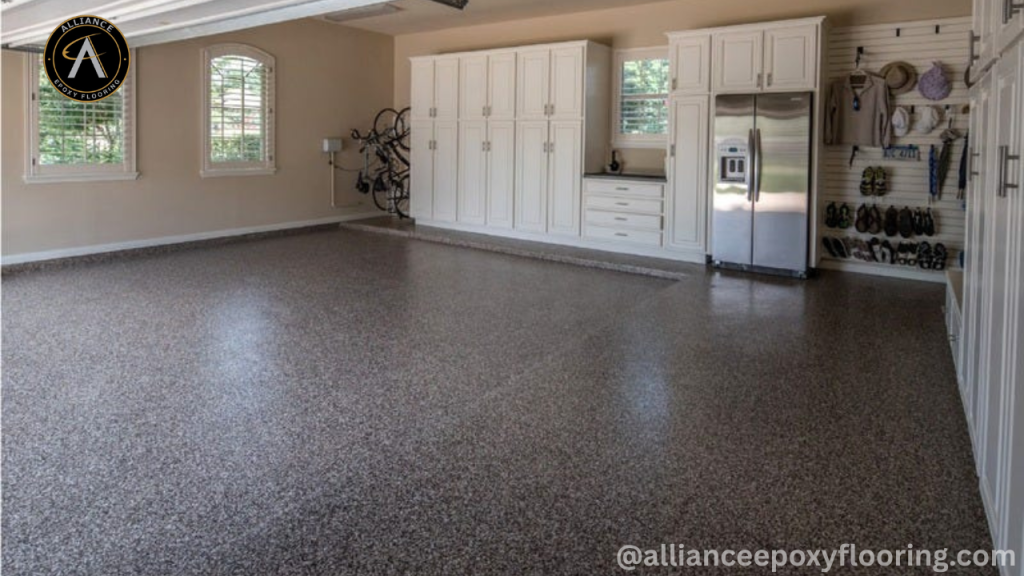
Garage floors endure some of the harshest conditions in any residential or commercial space. From the weight of vehicles and power tools to exposure to oil, chemicals, and temperature fluctuations, your garage flooring is constantly under pressure. Whether you’ve recently invested in a new epoxy coating or you’re looking to extend the life of your current garage floor, proper care and maintenance are key.
In this comprehensive guide, we’ll explore expert-recommended tips and tricks to maintain your garage flooring, avoid costly repairs, and keep your space looking clean and functional all year long.
Why Garage Flooring Maintenance Is So Important
Many homeowners overlook garage floor maintenance, assuming the material is tough enough to withstand anything. While it’s true that materials like epoxy, sealed concrete, and polyaspartic coatings are designed for durability, they are not invincible.
Without proper care, your garage flooring can:
- Develop cracks and chips
- Accumulate stubborn stains
- Become slippery or unsafe
- Lose its protective coating
- Deteriorate prematurely
A well-maintained garage floor not only performs better under stress but also enhances the overall appearance and value of your property.
Know Your Garage Flooring Type
Before you can maintain your garage floor effectively, it’s important to identify what kind of flooring you have. Each type has unique care requirements:
1. Bare Concrete
Uncoated concrete is porous and vulnerable to staining, cracking, and dusting. While strong, it needs sealing and regular cleaning to prevent deterioration.
2. Epoxy Flooring
Epoxy coatings offer a high-gloss, chemical-resistant surface that’s easy to clean. However, over time, even epoxy can wear down, especially in high-traffic areas.
3. Polyaspartic or Polyurea Coatings
These premium coatings are known for their UV stability and rapid curing times. They are more flexible than epoxy and resistant to scratches and staining but still benefit from routine care.
4. Garage Floor Tiles or Mats
Interlocking tiles or rubber mats provide cushioning and are simple to replace. However, dirt and moisture can accumulate underneath if not cleaned regularly.
Knowing your flooring material helps you choose the right cleaning products, tools, and protection methods.
Establish a Regular Cleaning Routine
Routine cleaning is your first line of defense in garage floor maintenance. Here’s how to keep your floor clean and debris-free:
Daily or Weekly
- Sweep or dust mop the surface to remove loose dirt, leaves, and grit that can scratch coatings.
- Wipe up spills immediately to prevent staining or chemical damage.
Monthly
- Use a pH-neutral cleaner diluted in warm water to mop the floor. Avoid acidic or abrasive chemicals like vinegar, ammonia, or bleach.
- Use a soft mop or microfiber pad to avoid scratching the surface.
Quarterly or Seasonally
- Conduct a deep cleaning using a floor scrubber or soft-bristle brush. Focus on corners and under shelving where debris collects.
- Perform a visual inspection to check for cracks, chips, or worn spots in the coating.
Tackle Stains and Spills the Right Way
Spills are inevitable in any garage, but treating them promptly can prevent long-term damage. Here’s how to handle common messes:
Oil and Grease
- Blot fresh spills with paper towels.
- Cover the area with absorbent material like kitty litter or sawdust and let it sit for a few hours.
- Sweep up the absorbent and use a degreasing cleaner approved for your floor type.
Rust
- Apply a commercial rust remover specifically made for coated or sealed surfaces.
- Avoid metal scrubbers which can damage the finish.
Tire Marks
- These often occur from warm tires cooling on the floor.
- Use a citrus-based cleaner or specialized tire mark remover, but ensure it’s safe for your coating type.
Paint and Chemical Spills
- Wipe spills immediately.
- Use a plastic scraper for hardened residue and follow up with a mild solvent if needed.
Preventative Measures to Protect Your Floor
A proactive approach can extend the life of your garage flooring significantly. Here are some protective steps to consider:
Use Floor Mats or Containment Trays
Place heavy-duty mats or drip trays under vehicles, workbenches, or machinery. These capture fluids, dirt, and snow before they touch the floor.
Avoid Dragging Heavy Objects
Dragging metal toolboxes or appliances across the surface can scratch or gouge coatings. Always lift or use wheeled carts.
Maintain Proper Tire Pressure
Under- or over-inflated tires can wear unevenly and place extra stress on the garage floor, especially on coatings.
Use Soft Snow Removal Tools
In colder climates, use plastic shovels rather than metal ones to prevent scraping your garage floor.
Adapt Maintenance Based on Season and Climate
Garage floors face different challenges depending on the time of year. Customize your routine to suit seasonal needs:
Winter Maintenance
- Salt, snow, and de-icing agents can corrode floor coatings.
- Use containment mats and clean frequently to remove salt residue.
- Inspect for moisture accumulation to avoid long-term damage.
Summer Maintenance
- Sweep more frequently to remove dust, pollen, and sand.
- Use a dehumidifier or proper ventilation to reduce condensation, which can damage untreated concrete or encourage mold.
When to Reseal or Recoat Your Garage Floor
Even the best epoxy or polyaspartic coatings need maintenance over time. Signs that your garage floor may need recoating include:
- Visible wear, fading, or discoloration
- Peeling, flaking, or bubbling
- Loss of gloss or texture
- Stains that no longer lift during cleaning
Most professionally applied epoxy coatings last 3 to 7 years with proper maintenance. Recoating restores the floor’s protection, shine, and slip resistance.
For expert recoating or restoration, consider reaching out to professionals like Allliance Epoxy Flooring, who specialize in durable and visually striking garage flooring systems.
Know What to Avoid
Not all cleaning products or tools are suitable for garage floors. Here’s what to avoid:
- Acidic cleaners like vinegar or muriatic acid
- Harsh solvents that are not floor-safe
- Wire brushes or metal scrapers on coated floors
- Power washers with narrow tips, which can peel coatings
- Heavy impacts or dropping tools, which can chip the surface
Always consult your flooring manufacturer or installer if you’re unsure about a product or technique.
Conduct Routine Inspections
Every few months, inspect your garage flooring for:
- Hairline cracks or expansion joint issues
- Changes in texture or surface feel
- Signs of water damage or pooling
- Uneven wear in high-traffic areas
Catching problems early prevents them from becoming costly repairs down the line.
Final Thoughts
Your garage floor is more than just a surface to park your car—it’s a functional part of your home or workspace that deserves the same care as any other flooring. Whether you have bare concrete or a high-end epoxy finish, routine maintenance is essential for longevity, safety, and appearance.
By developing a consistent cleaning routine, handling spills quickly, protecting the floor with mats and equipment pads, and knowing when to call the pros, you’ll enjoy a cleaner, stronger, and more attractive garage floor for years to come.
If you’re considering a flooring upgrade or need professional maintenance, don’t hesitate to consult a reputable service provider like Allliance Epoxy Flooring to ensure your garage floor gets the expert attention it deserves.